 Pin it
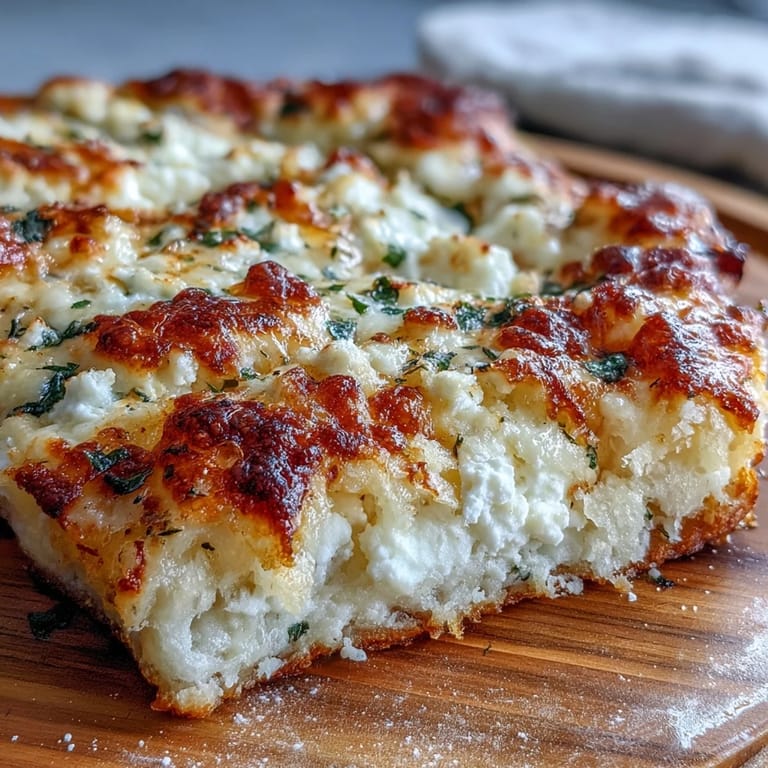
 I was staring at half a tub of cottage cheese one Sunday morning, determined not to let it go to waste. My usual smoothie routine felt boring, so I searched for something savory and stumbled onto the idea of flatbread. The dough came together faster than I expected, soft and forgiving under my palms. When the first one hit the hot skillet and puffed with steam, I knew I'd found something worth repeating.
The first time I made these for friends, I served them warm with hummus and roasted vegetables. Everyone assumed I'd spent the afternoon baking, but the whole process had taken less than an hour. One friend tore into a flatbread straight from the skillet, butter melting into the surface, and declared it better than store bought pita. I didn't correct her, just smiled and passed the plate around.
Ingredients
- All purpose flour: The foundation of the dough, it creates structure without heaviness, and a little extra for dusting keeps things from sticking.
- Baking powder: This is what gives the flatbreads their light, airy lift as they cook, creating those beautiful bubbles.
- Fine salt: Just enough to balance the mild tang of the cottage cheese and bring out the other flavors.
- Garlic powder: Optional but worth it, a quiet hint of savory warmth that makes each bite more interesting.
- Full fat cottage cheese: Drain it well or the dough will be too wet, the curds break down into the dough and add moisture and a gentle tang.
- Large egg: Binds everything together and adds richness, helping the flatbreads hold their shape on the skillet.
- Olive oil: A tablespoon in the dough keeps it soft, and a little more in the pan helps achieve that golden crust.
- Fresh chopped herbs: Parsley or chives add color and a fresh note, but you can skip them if your herb drawer is empty.
- Water: Only if needed, a teaspoon at a time to bring the dough together without making it sticky.
Tired of Takeout? 🥡
Get 10 meals you can make faster than delivery arrives. Seriously.
One email. No spam. Unsubscribe anytime.
Instructions
- Mix the dry ingredients:
- Whisk the flour, baking powder, salt, and garlic powder in a medium bowl until there are no streaks. This ensures every bite tastes even.
- Combine the wet ingredients:
- In a separate bowl, break up the cottage cheese curds with a fork, then mix in the egg, olive oil, and herbs. It doesn't have to be perfectly smooth, just well combined.
- Form the dough:
- Pour the wet mixture into the dry and stir gently with a spatula until a shaggy dough forms. If it feels too crumbly, add water one teaspoon at a time until it holds together.
- Bring it together:
- Turn the dough onto a floured surface and fold it over itself six to eight times, just until it becomes a soft ball. Overkneading makes it tough, so stop as soon as it comes together.
- Let it rest:
- Cover the dough with a towel or plastic wrap and let it sit for ten minutes. This rest makes it easier to roll and helps the flatbreads stay tender.
- Divide and shape:
- Cut the dough into four equal pieces and roll each into a smooth ball. Flatten each ball with a rolling pin or your hands into rounds about a quarter inch thick, dusting with flour as needed.
- Heat the skillet:
- Warm a nonstick or cast iron skillet over medium heat and brush it lightly with olive oil. A properly heated pan gives you those golden brown spots without burning.
- Cook the flatbreads:
- Place one flatbread in the hot skillet and cook for two to three minutes until bubbles form and the bottom is golden. Flip and cook another one to two minutes until cooked through, adjusting the heat if it browns too fast.
- Keep them warm:
- Transfer each cooked flatbread to a plate and cover with a clean towel to keep them soft. Repeat with the remaining dough, adding a little more oil to the pan between batches.
- Serve immediately:
- Enjoy them warm as wraps, alongside dips, or topped with sauce and cheese for a quick homemade pizza.
 Pin it
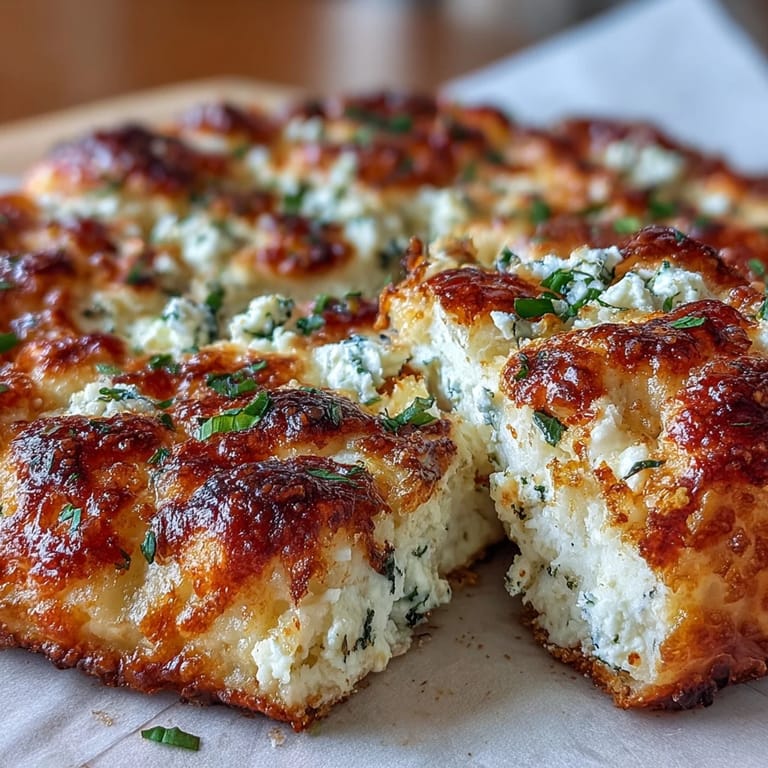
 One evening I made a double batch and froze half, stacking them with parchment paper in between. Weeks later, I pulled one out and warmed it in a dry skillet, and it tasted just as tender as the day I made it. That moment taught me that a little effort on a quiet afternoon can turn into a dozen quick meals down the road.
Making It Your Own
I've stirred in finely chopped spinach, sun dried tomatoes, and even crumbled feta when I wanted something more bold. A pinch of red pepper flakes adds a gentle heat, and swapping the herbs for za'atar gives the flatbreads a Middle Eastern twist. The dough is forgiving, so don't be afraid to experiment with what you have on hand.
Storage and Reheating
Store leftover flatbreads in an airtight container in the fridge for up to three days, or freeze them for up to a month. When reheating, I warm them in a skillet over medium heat for about thirty seconds per side, or wrap them in a damp paper towel and microwave for fifteen seconds. Either method brings back that just cooked softness without drying them out.
Serving Suggestions
These flatbreads are wonderfully versatile and work with almost anything you have in the fridge. I've used them as wraps for grilled chicken and hummus, torn them into pieces for dipping into tomato soup, and topped them with marinara and mozzarella for a five minute pizza. They're sturdy enough to hold fillings but soft enough to fold without cracking.
- Serve warm with tzatziki, baba ganoush, or your favorite dip.
- Use as a base for flatbread pizzas with whatever toppings you love.
- Wrap around scrambled eggs and avocado for a quick breakfast.
 Pin it
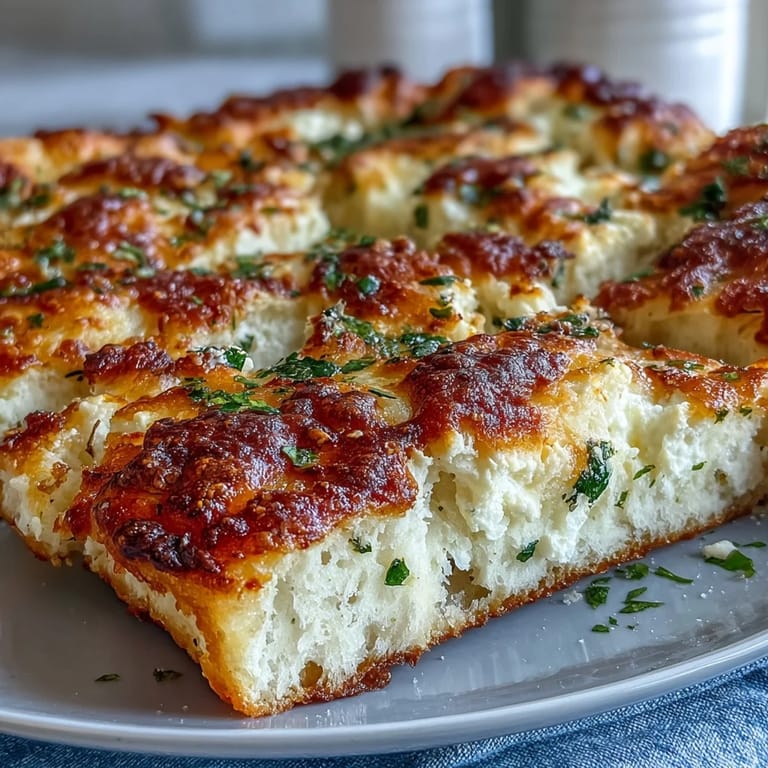
 There's something satisfying about making bread from scratch, even when it's as simple as this. These flatbreads have become my go to whenever I want something warm, homemade, and just a little bit special without the fuss.
Recipe FAQs
- → What makes cottage cheese work in flatbread dough?
Cottage cheese provides moisture, protein, and a subtle tang while creating tender, pillowy texture. The curds break down during mixing, distributing evenly throughout the dough for softness without requiring yeast or extensive kneading.
- → Can I make the dough ahead of time?
Yes, prepare the dough and store it wrapped in the refrigerator for up to 24 hours. Let it come to room temperature for about 15 minutes before rolling and cooking, as cold dough resists stretching.
- → Why does my dough feel sticky or crumbly?
Sticky dough needs a dusting of flour during handling. Crumbly dough requires more water—add just 1 teaspoon at a time until it forms a soft, cohesive ball. Humidity and flour absorbency affect consistency.
- → What's the best way to reheat leftover flatbreads?
Warm them in a dry skillet over medium-low heat for 30–60 seconds per side, or microwave with a damp paper towel for 15–20 seconds. This restores softness without drying them out.
- → Can I freeze the flatbreads?
Absolutely. Cool completely, stack with parchment paper between each piece, and freeze in an airtight bag for up to 1 month. Thaw at room temperature or reheat directly from frozen in a warm skillet.
- → How do I know when the flatbread is cooked through?
Look for golden-brown spots on both sides and bubbles forming across the surface. The bread should feel slightly puffy and sound hollow when tapped. Adjust heat if browning too quickly before bubbles appear.