 Pin it
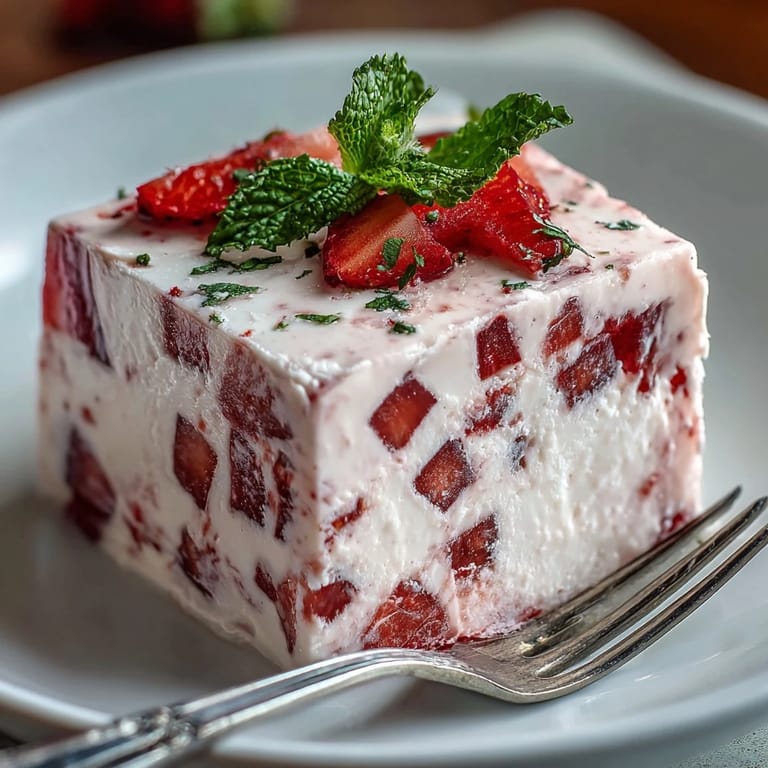
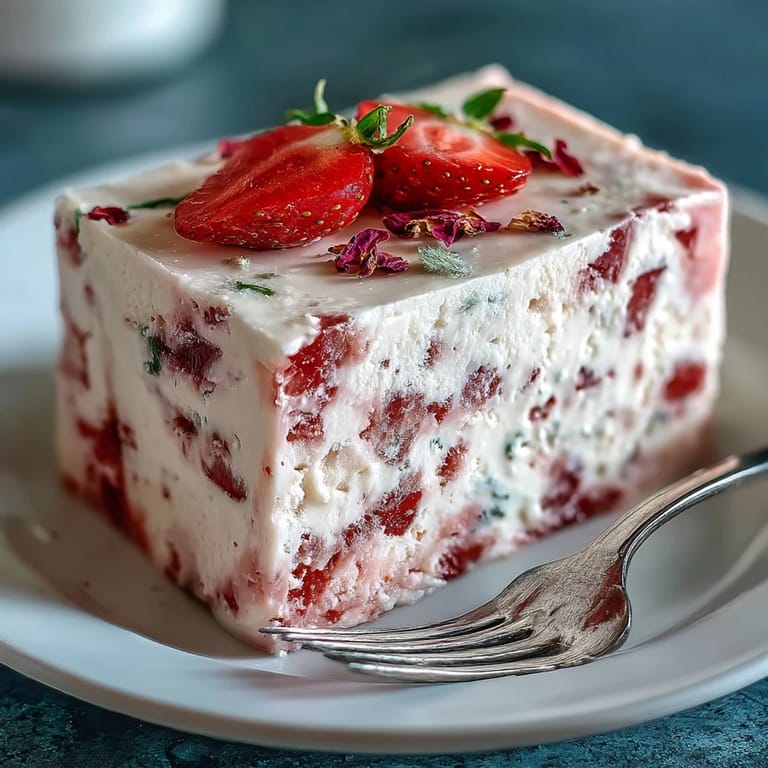
 Late July brought one of those sun-drenched afternoons when my kitchen became a patchwork of light and color. I wanted to create something dazzling yet cool, and this Strawberry Rose Gelatin Mosaic Cake captured the essence of summer in every shimmering slice. The first time I tried my hand at this recipe, the rose water scent wafted through the open window and mingled with the hum of the garden. The process has a meditative quality, each layer setting in its own time, the colors teasing what the final reveal would look like. It's become the showstopper everyone requests when our family gathers, especially when laughter echoes and someone sneaks into the fridge to 'check if it's set yet.'
I still laugh remembering the time my cousin wandered into the kitchen right as I was cutting up the gelatin cubes—her eyes went wide and she called them 'jewel candies.' She insisted on helping, eager to arrange the pink and red cubes into little patterns, turning a simple prep step into a flurry of giggles and creative chaos. That day, we ended up with a cake that looked different than usual but tasted just as magical. Sometimes, it's the shared moments of sticky hands and sneaked samples that make the dessert linger long after the plates are cleared.
Ingredients
- Strawberry-flavored gelatin: Vibrant color and sweet berry flavor anchor the mosaic; dissolve thoroughly to avoid gritty bits.
- Unflavored gelatin: The unsung hero—makes the cake hold its shape without adding any taste; always bloom it in cold water first for a smooth finish.
- Rose water: Adds a hauntingly lovely perfume (use sparingly, too much can overpower); choose pure rose water for best flavor.
- Granulated sugar: Sweetens the rose layer, balancing the floral notes; make sure it's fully dissolved before setting.
- Pink food coloring (optional): Just a drop enhances the visual appeal, but you can skip it for a subtler look.
- Whole milk and heavy cream: Combine for a luxuriously rich cream base; heat gently to avoid scorching.
- Sweetened condensed milk: The secret to creaminess and a gentle sweetness that envelops the other flavors.
- Vanilla extract: Rounds out the flavor with warmth and depth; trust me, a little goes a long way here.
Tired of Takeout? 🥡
Get 10 meals you can make faster than delivery arrives. Seriously.
One email. No spam. Unsubscribe anytime.
Instructions
- Make the strawberry gelatin:
- Sprinkle the strawberry gelatin into 2 cups of boiling water and stir until it's completely dissolved, inhaling that sweet berry steam. Pour the mixture into a shallow dish and pop it in the fridge for an hour or until firm to the touch.
- Prepare the rose gelatin:
- Combine 2 cups of water and sugar in a saucepan over gentle heat until the sugar disappears. Off the heat, mix in the bloomed unflavored gelatin (prepared by soaking in 2 tablespoons cold water), then stir in the rose water and a little food coloring if the mood strikes; chill in another dish until set.
- Cube the gelatins:
- Once fully set, slice strawberry and rose gelatin into playful 1–2 cm cubes—don’t worry if they’re not perfect, they’ll look mosaic-like in the cake.
- Make the cream base:
- Bloom the remaining unflavored gelatin in cold water for 5 minutes. Meanwhile, warm the milk and cream together until just simmering, then melt in the gelatin, off the heat, before adding the condensed milk and vanilla; let cool until lukewarm but keep it pourable.
- Assemble the mosaic:
- Scatter the gelatin cubes into a 10-inch ring or bundt mold, mixing gently for even color distribution. Carefully pour over the cooled cream mixture, tapping the mold to release hidden bubbles.
- Chill to set:
- Transfer the filled mold to the fridge and wait 3–4 hours (the hardest part), until absolutely firm.
- Unmold and serve:
- Briefly dip the mold in warm water to loosen, invert onto a platter, and show off those jewel-like colors—slice and serve cold for maximum refreshment.
 Pin it
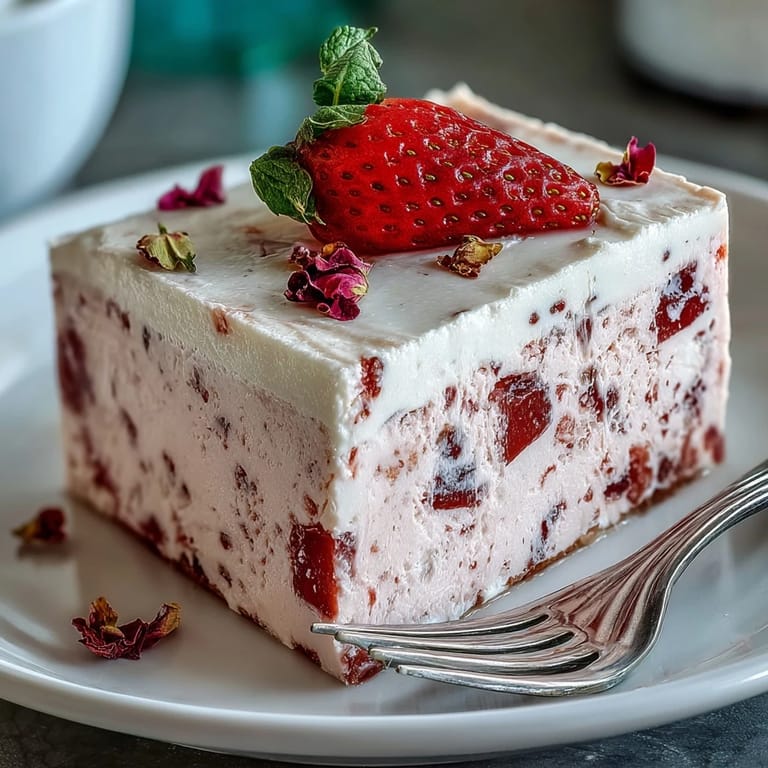
 One spring evening, we unveiled this cake as a centerpiece at a friend’s baby shower, sunlight catching every translucent piece and scattering pink reflections across the table. Guests paused mid-conversation to admire it—a moment when dessert became the highlight, sparking stories of childhood jellies and garden parties gone by.
Choosing the Perfect Mold
The ring or bundt mold you use becomes your edible frame, so pick one with pretty curves or fluting for extra drama when unmolding. Silicone molds release your cake with remarkable ease, while metal ones need a longer dip in warm water, but the clean lines make the intricate cubes shine. I always check that the cubes fit snugly without being packed too tight—they need a little space for the cream to flow around and set them in a true mosaic.
Cubes That Dazzle
When cutting the gelatin, use a sharp knife dipped in hot water and wiped dry after each slice to keep those edges crisp and free from smears. Arrange the cubes in a random, patchwork pattern rather than in organized rows for the prettiest stained-glass effect—the less precise, the better. If a few cubes break or stick together, just tuck them in, and let the cream hide any imperfections.
Creative Serving and Decoration Ideas
There’s something magical about adding edible flowers or a scattering of fresh berries just before serving—it's like nature’s final touch. The cake turns into a conversation piece, especially when paired with a few delicate rose petals or even a curl of lemon zest to play off the floral notes.
- Always chill your serving plates for a cool, clean slice.
- Wipe the knife between cuts for the most beautiful presentation.
- If the cake sweats a little after unmolding, simply dab gently with a clean towel—it’ll still steal the show.
 Pin it
 Even if you make mistakes, this dessert always manages to wow. Every slice is a little celebration in itself—here’s to more kitchens filled with shimmering colors and spontaneous laughter.
Recipe FAQs
- → How long does the mosaic need to chill?
Chill at least 3–4 hours, though overnight gives the best firm set for clean slices. Ensure the cream mixture is lukewarm before pouring to avoid melting the cubes.
- → Can I swap gelatin for a vegetarian alternative?
Agar-agar can be used, but it sets more firmly and behaves differently when heated. Follow agar instructions carefully and test a small batch to adjust quantities for a similar texture.
- → How do I prevent the colored cubes from bleeding into the cream?
Fully chill and set the colored gels until firm, then cut into cold cubes. Allow the cream mixture to cool to lukewarm before pouring; hot liquid will melt the edges and cause color bleeding.
- → Any tips for infusing extra flavor?
Infuse the milk with sliced fresh strawberries or a strip of orange zest while warming, then strain before adding gelatin. Swapping rose water for elderflower syrup adds a different floral note.
- → How should leftover portions be stored?
Cover tightly and refrigerate for up to 3 days to preserve texture and freshness. Avoid freezing, as freezing can alter the gelatin and cream consistency.
- → Best way to unmold without damage?
Dip the mold briefly in warm water for a few seconds, then invert onto a plate. If the cake resists, run a thin spatula around the edges before dipping to help release.