 Pin it
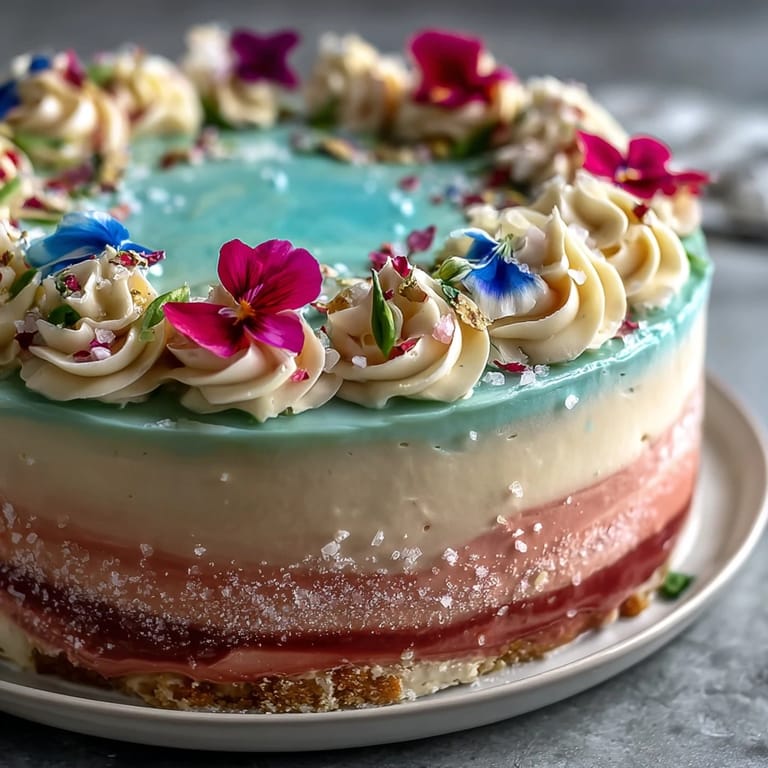
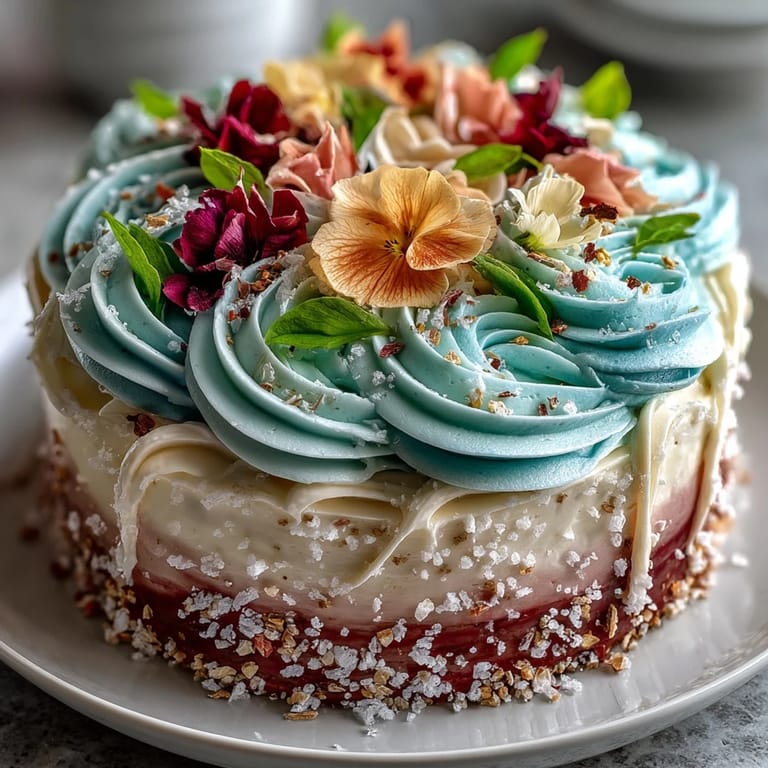
 The pastel ombre spring cake first emerged in my kitchen on a breezy April weekend, when the wind was carrying hints of new grass and my counter looked like a painter’s palette. One moment, I was mixing batter—the next, there was laughter as I splattered food coloring on my apron. What surprised me was how easily the cake’s colors melded into delicate gradients, almost like watercolor. The aroma of butter and vanilla filled the air, and suddenly the kitchen felt celebratory, even though it was just mid-morning. Making this cake has somehow made spring feel more immediate, more touchable.
There was one afternoon when I baked this cake for friends who had spent the day gardening—we all arrived with muddy shoes but left with sticky fingers and laughter over the floral topping. Our excitement as we revealed vibrant layers was matched only by the conversation about favorite spring blooms. Someone joked that the colors looked like easter eggs, and the cake got a new nickname: 'Spring Canvas.'
Ingredients
- All-purpose flour: It provides the right structure, and sifting ensures a lighter crumb—I always do this for the softest cake.
- Baking powder and baking soda: These help the cake to rise evenly, giving every layer a gentle lift.
- Salt: Just a hint, but it balances out the sweetness beautifully.
- Unsalted butter: Soft, room-temperature butter makes for an airy batter—don't rush this step.
- Granulated sugar: For sweetness, but more importantly the texture—creaming it well adds fluffiness.
- Eggs: They bind the cake and give richness; room temperature eggs blend more smoothly.
- Vanilla extract: Pure vanilla anchors the flavor—I use a splash extra for added warmth.
- Whole milk: Room temperature is key—it prevents the batter from curdling and helps the cake bake evenly.
- Gel food coloring: These let you create soft pastels without thinning out the batter or frosting, and you can build up color slowly.
- Powdered sugar: Sifted for a frosting that melts on the tongue—no lumps allowed.
- Edible flowers: Choose organic blooms labeled as edible—their crisp petals add a magical finish.
- Heavy cream or milk: Just enough to loosen the buttercream—go slowly until the texture feels dreamy.
Tired of Takeout? 🥡
Get 10 meals you can make faster than delivery arrives. Seriously.
One email. No spam. Unsubscribe anytime.
Instructions
- Get the pans ready:
- Preheat the oven to 350°F (175°C)—I love hearing the oven hum to life as I line three round pans with parchment for easy release.
- Mix dry ingredients:
- In a medium bowl, whisk together the flour, baking powder, baking soda, and salt, breathing in a familiar scent that always signals cake-making.
- Cream the butter and sugar:
- In a large bowl, beat butter and sugar until light and fluffy—it's almost cloudlike after 3 minutes, then add eggs one at a time and vanilla, letting each swirl in fully.
- Combine wet and dry:
- Alternate adding the dry mix and milk into the bowl, beginning and ending with flour, stirring gently until the batter barely comes together; resist overmixing.
- Color the batter:
- Split the batter into three bowls and tint each with pastel gel color, folding slowly to maintain a dreamy ombre effect—don't worry if the shades aren't perfect.
- Bake the layers:
- Pour into pans and bake for 25–30 minutes, until a toothpick comes out clean; let them cool a bit in the pans then finish cooling on a rack so the layers firm up perfectly.
- Make the buttercream:
- Beat butter until creamy, add powdered sugar gradually, then vanilla and milk or cream, beating until light—divide and tint portions for soft pastel swirls.
- Layer and frost:
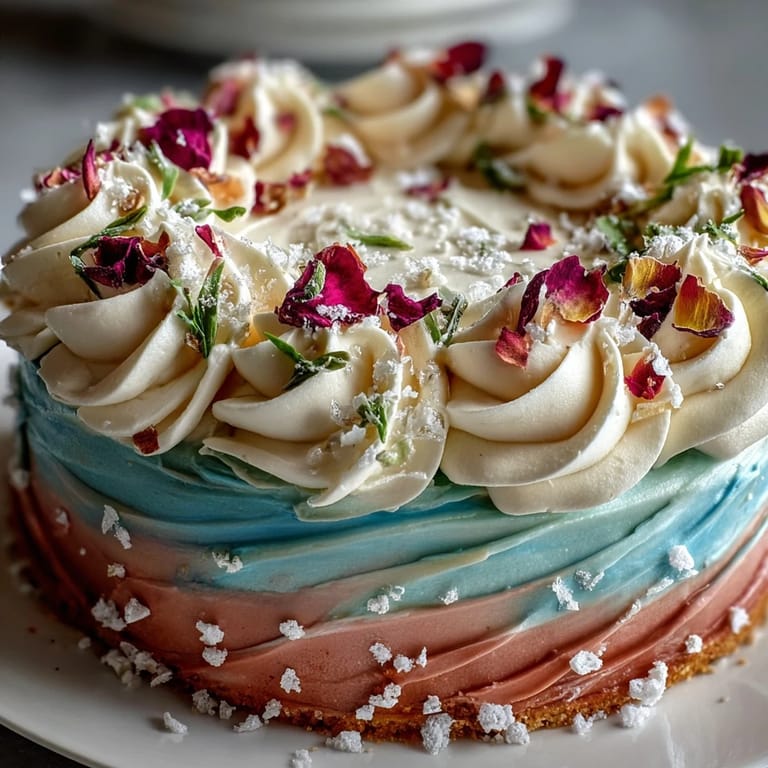
- Level the cakes if needed, and stack with buttercream between each—I love building the ombre frosting slowly, blending shades by smoothing gently with an offset spatula.
- Add floral topper:
- Just before serving, arrange edible flowers on top—it feels a bit like an art project and transforms the cake in moments.
 Pin it
 Once, as the sun set and the kitchen filled with gold light, I caught my niece peering at the cake as if she'd discovered a new planet. When we sliced into it and saw the layers, she gasped and decided the cake was 'too pretty' to eat—until everyone started grabbing forks.
How To Nail The Ombre Effect
Building three distinct pastel shades means working slowly with the color—sometimes alternating a drop or two and stepping back to judge the tone. Mixing in natural light helps, and I always keep extra bowls on hand in case I want to blend a fourth shade. The gentle gradient makes each slice feel unique, so don't stress about making every layer match perfectly—it's more fun this way.
Choosing Edible Flowers Safely
Edible flowers often come from specialty grocers or farmer's markets, but it's vital to check they're organic and labeled as safe for consumption. A quick rinse in cool water removes dust, and if you're not sure, skip anything you can't confidently identify. Flowers like pansies and violas are sturdy yet delicate; arranging them feels almost meditative.
Making The Cake Ahead
Cake layers can be baked and wrapped tightly up to two days in advance, stored at room temperature. Buttercream keeps well chilled, but stir gently before using to restore its softness. The floral decorations are best placed just before serving, so they stay bright and beautiful.
- Cakes freeze for up to one month wrapped in plastic—let thaw fully before frosting.
- If the frosting feels too thick, add extra milk one teaspoon at a time.
- Always check flower allergies with guests—it's easy to overlook.
 Pin it
 Baking this cake always feels creative—every time the colors and flowers shift, making each celebration a little different. I hope it brightens your spring gathering as much as it has mine!
Recipe FAQs
- → How are ombre colors achieved in the cake?
Gel food coloring is gently mixed into separate portions of batter, creating layered pastel shades as the cakes bake.
- → Can the edible flowers be substituted?
Yes, use any organic, edible blossoms such as pansies, violets, roses, or chamomile. Ensure flowers are food-safe.
- → What tips help with smooth buttercream gradients?
Divide buttercream, tint separately, and use an offset spatula to blend colors smoothly across the cake surface.
- → Is a vegan version possible?
Plant-based butter, milk, and egg replacers can be used, though texture and flavor may vary slightly.
- → How should the cake layers be assembled?
Stack leveled pastel layers, add buttercream between each, apply a crumb coat, chill, then finish with ombre frosting.
- → What allergen considerations are important?
This cake contains wheat, dairy, and eggs. Edible flowers may cause sensitivities; verify their suitability.